

Looking for easy vrat, fasting, and upvas recipes? This collection has plenty of ideas for every festival meal and special occasion. From filling vrat breakfasts like sabudana khichdi and dosa to satisfying lunch and dinner made with potatoes, samak chawal, paneer, rajgira, and other common ingredients, there is something for everyone. These recipes suit fasting occasions, pooja, and Hindu festivals, including Navratri, Ekadashi, Shivratri, Sai Guruvar, Sankashti, Janmashtami, Panchami, Gowri Ganesha Chaturthi, Adhika Masam, Varalakshmi Vratam, Karwa Chauth, Somwar Vrat, Shravan, and other vrat days. Because fasting traditions differ across India and from one family to another, check the ingredients permitted in your tradition before making a recipe.

Jump to:
What can you eat during vrat or upvas?
What you can eat during vrat or upvas depends on the type of fast and the traditions your family or community follows. Some observe a strict fast with only water, while others drink milk and eat fruits, and many follow a phalahar (falahari) diet that includes fasting-friendly ingredients.
Sattvik foods are eaten during vrat or upvas. Many fasts have strict and specific rules. Commonly eaten foods during vrat and upvas: fruits, potatoes, sweet potatoes, pumpkin, raw banana, paneer, yogurt, dry fruits and nuts, milk, makhana, peanuts, sabudana, samak rice, rajgira, kuttu, singhara flour, and sendha namak.
Foods commonly avoided are onion and garlic. Vrat rules vary by region.
Subscribe Below to Receive Free Meal Plans Every Week
Sign up for our newsletter to receive our weekly meal plans directly in your inbox!
Vrat Food Guide: What to eat during fasting
| Category | Allowed (Falhari) | Avoided | Popular Dish |
| Grains & Flour | Samak, rajgira(amaranth), kuttu (buckwheat), singhara(water chestnut) | Wheat, rice, maida, other cereals | Kuttu Puri, Samak or samvat pulao or upma, singhare ka halwa. |
| Fasting Staples | Sabudana, Makhana | - | Sabudana khichdi, Makhana Kheer |
| Vegetables | Potato, sweet potato, arbi, cucumber, pumpkin, bottle gourd | Onion, Garlic | Vrat wale aloo, sweet potato fries, pumpkin halwa, cucumber raita. |
| Fruits | All fresh fruits | - | Fruit salad, Fruit Chaat |
| Dairy | Milk, curd, paneer, ghee, khoya | - | Vrat wale paneer curry, milk-based sweets. |
| Nuts & Seeds | All dry fruits, peanuts, etc | Dry fruit ladoo, chikki. | |
| Salt | Sendha namak | Regular table salt | |
| Spices | Cumin, black pepper, green chili, red chili, coriander, mint | Mustard seeds and hing in some vrats | Aloo jeera |
| Sweeteners | Jaggery, sugar, honey | - | Any flourless desserts. |
| Pulses & Legumes | - | Dal/Lentils | - |
*Always check your family tradition first before preparing any recipe.
Vrat Meal Ideas
These vrat meal ideas offer filling, delicious options for breakfast, lunch, and dinner, with traditional Indian fasting foods that are easy to prepare at home.
These vrat meal ideas offer filling, delicious options for breakfast, lunch, and dinner, with traditional Indian fasting foods that are easy to prepare at home.
From traditional sabudana khichdi, samvat rice pulao, sabudana millet dosa, paneer sabudana potato tikki, aloo jeera, kuttu dosa (buckwheat flour dosa), rajgira or amaranth flour paratha, singhara or water chestnut kachori, lauki or bottle gourd soup, there are plenty of choices for every meal.
You can also include some simple salads with fruits and vegetables or easy no onion no garlic recipe with paneer or make a mixed vegetable curry (gajbaje) or coconut milk-based mixed vegetable curry (valval) with potato, pumpkin, sweet potatoes, plantains (bananas), or even make simple chutneys and raita.
Whether you are observing Navratri, Ekadashi, Janmashtami, Shravan, or any Hindu fast, these fasting recipes and vrat food ideas make it easy to plan a wholesome and satisfying meal.

Easy Fruit Salad with Seasonal Fruits

Sabudana Tikki

Traditional Maharashtrian Sabudana Khiichdi
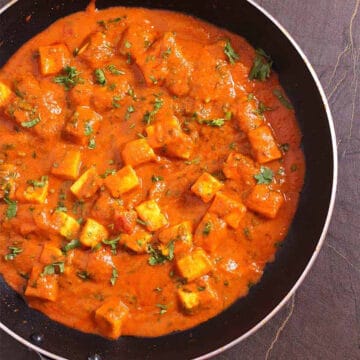
Vrat Wale Paneer Curry | No Onion No Garlic Paneer Masala ( Sabzi)
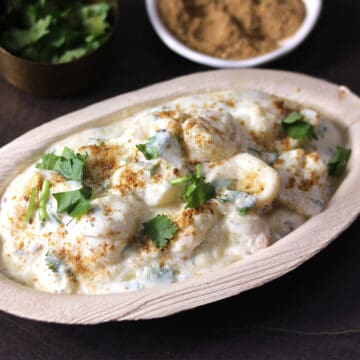
Dahi Aloo

Sabudana Millet Dosa
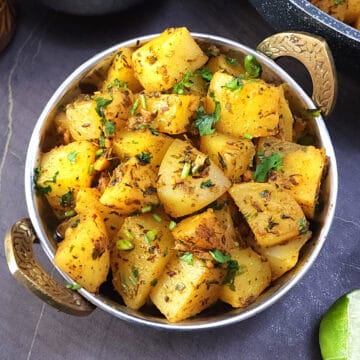
Aloo Jeera
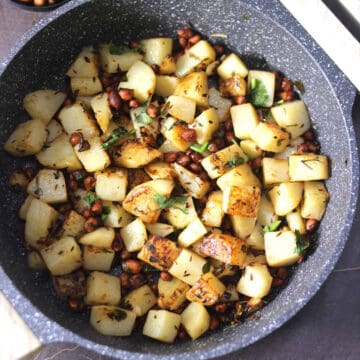
Vrat Wale Aloo | Potatoes for Fasting, Upvas
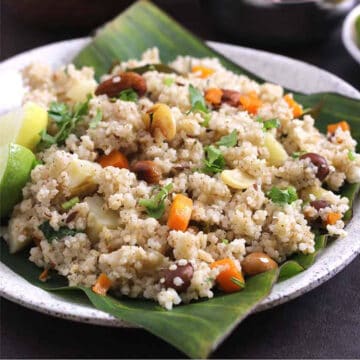
Sama Chawal Pulao

Mixed Vegetable Curry
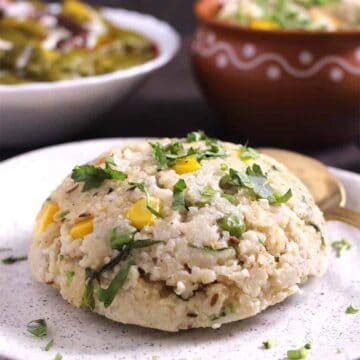
Sama Ke Chawal | Vrat ke Chawal

Vegetables in Coconut Milk
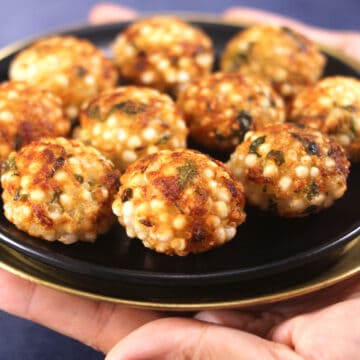
Sabudana Appe (Paniyaram)
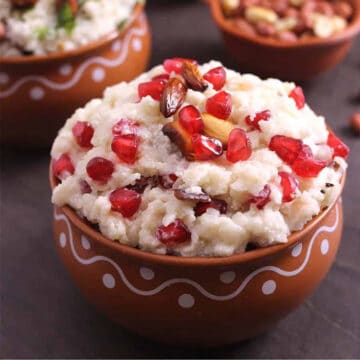
Dahi Poha - Sweet and Savory

Sama Chawal and Chana (Millet with Chickpeas)

Sabudana Idli

Aloo Sabzi - No onion No Garlic
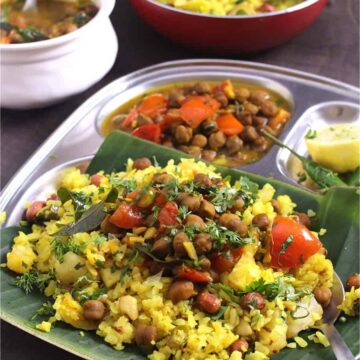
Tarri Batata Poha
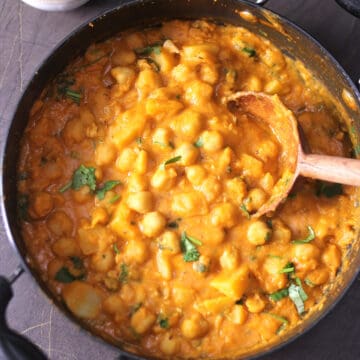
Vrat Wale Chana Masala
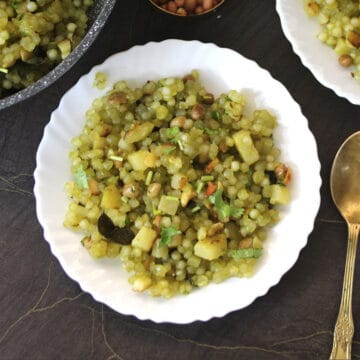
Green Sabudana Khichdi

One Pot Meal - Millet Sago Khichdi
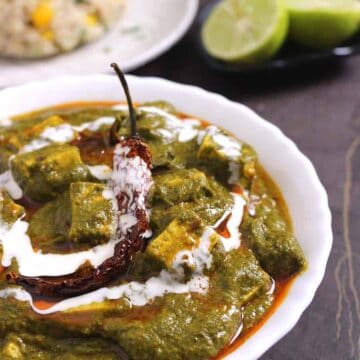
Sattvik Palak Paneer
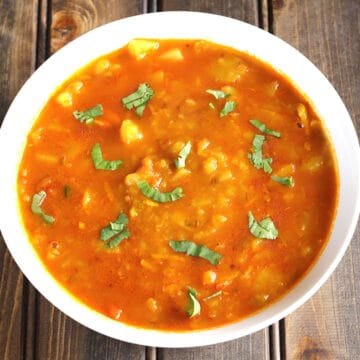
Aloo Rasedar

Sabudana Dosa (Thalipeeth)
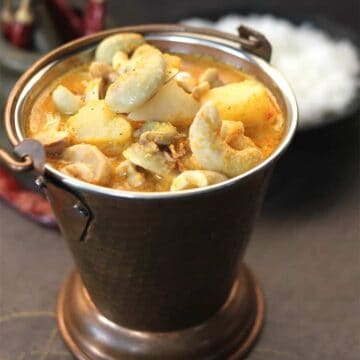
Potato Tender Cashew Curry
Vrat Sweets, fasting Desserts
No festival or special occasion is complete without something sweet! These sweets and desserts are perfect when you are looking for fasting-friendly Indian vrat sweets to enjoy during festivals. From kheer made with sabudana, makhana, ragjira, paneer, lauki, to halwa with banana, apple, sweet potato, pumpkin, lauki, and ladoo with badam or almonds, dry fruits, coconut, or simply some fruit salad with ice cream, or popular barfi with milk, paneer, coconut, or katli with cashews or almonds, there are plenty of options to satisfy your sweet cravings.
These sweets are also perfect as prasadam and naivedyam.
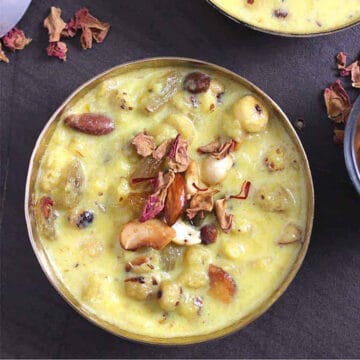
Phool Makhane Ki Kheer
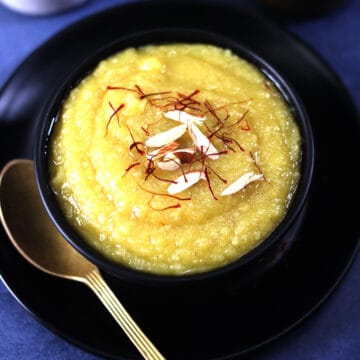
Badam Halwa
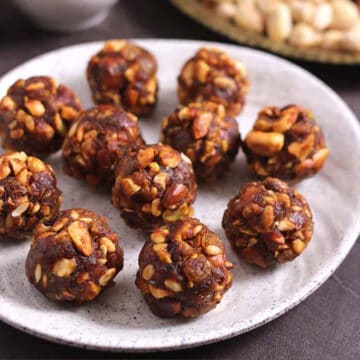
Dry Fruit Laddu

Sabudana Kheer
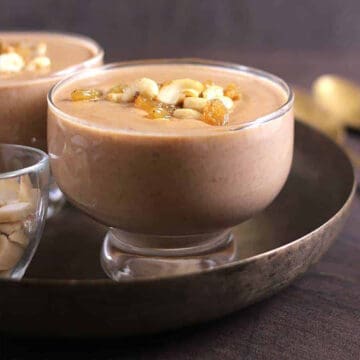
Dates Kheer or Payasam
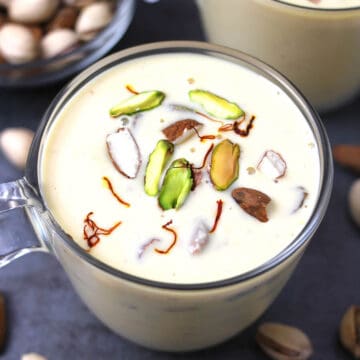
Easy Milk Based Basundi Sweet
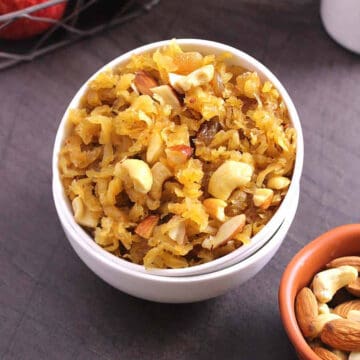
Flourless Apple Halwa
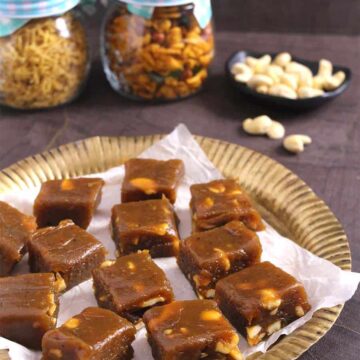
Banana Halwa
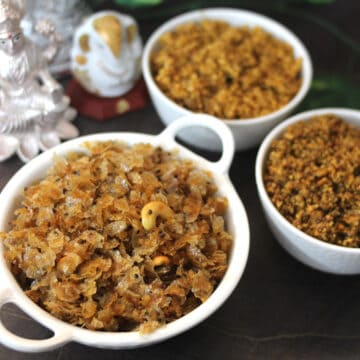
Panchakajjaya - Traditional South Indian Prasad recipe
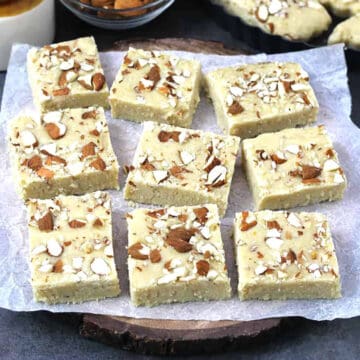
Milk Barfi - Popular Indian Sweet

Chikki with Dry Fruits
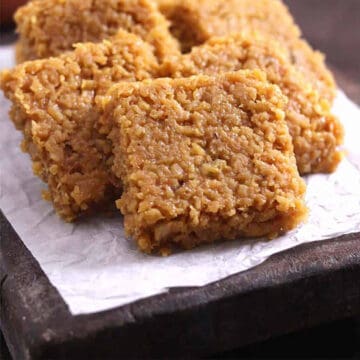
Coconut Barfi
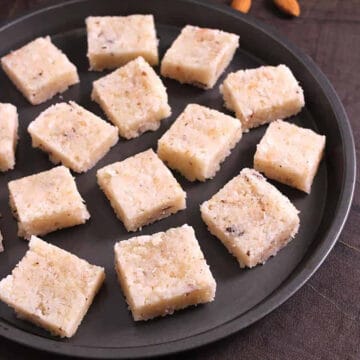
Traditional Coconut Barfi

Badam Ladoo
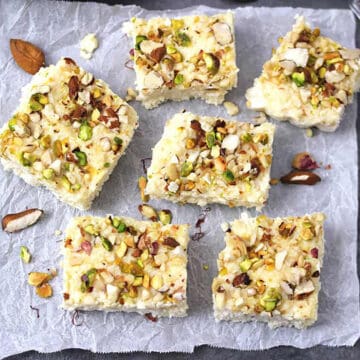
Milk Cake - 2 ingredient Indian sweet

Kashi Halwa ( Ash Gourd or Pumpkin Halwa)
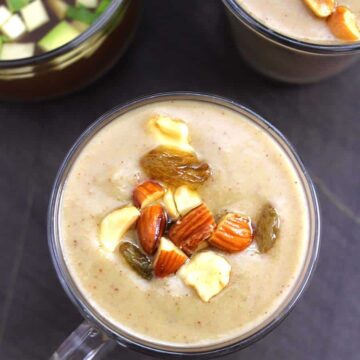
Gasagase Payasa
Vrat and fasting Snacks
These fasting and upvas snack recipes are perfect when you want something delicious and satisfying. Popular options include makhana, roasted nuts, and seeds, sabudana vada, fruit chaat, vrat-friendly pakoras, homemade banana chips, aloo tikki, etc.
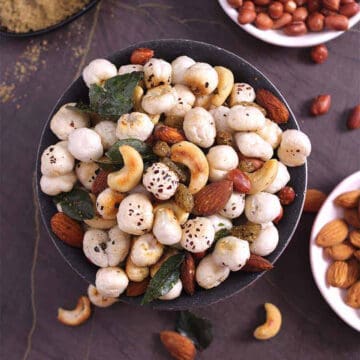
Roasted Makhana with Dry Fruits, Nuts
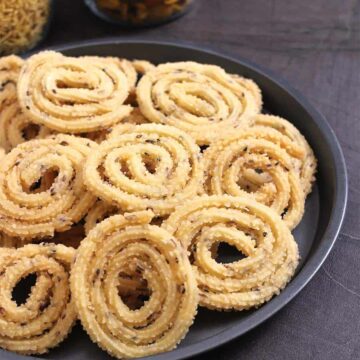
Samo Rice Chakli

Roasted Cashews

Traditional Sabudana Vada

Crispy Sabudana Fries
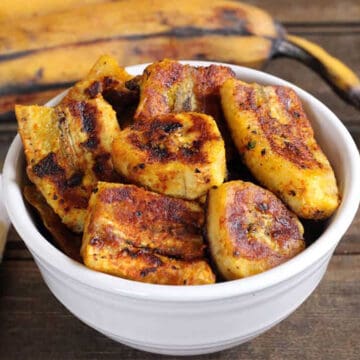
Pan Fried Plantains

Tropical Fruit Salad

Easy Sweet Potato Fries
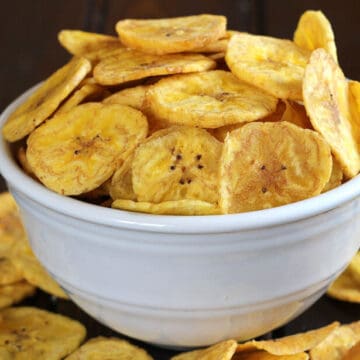
Homemade Banana Chips
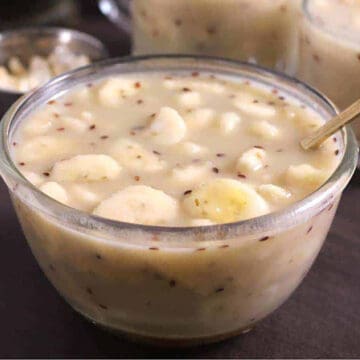
Banana Rasayana, Mangalorean Special
Vrat Drinks and Beverages
Stay hydrated during fasting with simple and refreshing drinks made with vrat-friendly ingredients. You can drink fresh fruit juice, vegetable juice, infused water, coconut water, milk-based drinks, herbal tea, buttermilk, lemon water, cucumber mint cooler, lassi, etc.

Sabudana Rose Milk (Sharbat)

Mango Lassi

Mango Thickshake

Dragon Fruit Juice

Sago Drink with Dragon Fruit
Important Notes
I have learned over my blogging years that every family follows their traditions. One family eats wheat flour (atta), while the other eats sabudana during upvaas. I recommend asking your elders and making only recipes with the allowed ingredients.
Experience 1:
In parts of South India that I am familiar with, deities are worshiped, sweets are offered as naivedyam to goddess Lakshmi, and then served as prasad (prasadam) to all devotees during Navratri. Fasting means all recipes are sattvic (no onion, no garlic), and you can consume rice in any one meal.
In some parts of North and Western India, people fast (upvas or vrat) during these nine days of Navratri. Most of the grains are avoided. Instead of salt, they use sendha namak. Not all vegetables are allowed.
Fasting rules also vary by region, and the same applies to Ekadashi, Shravan, Shivratri, Ashtami, or any religious fast you observe weekly.

Experience 2:
For example, after I started blogging, I learned from my fellow bloggers that sabudana is one of the main dishes you can eat during vrat, but in my hometown, sabudana (sabakki) is not typically consumed on fasting upvas days.
Another example is that in a few regions, people prefer no-salt or sendha namak (rock salt) for fasting, but in my hometown, we are allowed to use regular salt for any fasting, vrat, or upvas.
To know more about the nine days prasadam for Navratri, vrat ka khana and fasting and the importance of 9 days, read this useful post on Navratri and food to offer and eat on nine days.
While you are here, don't miss out on checking out Indian sweets and desserts, including classic Diwali sweets.
Recipe FAQS
Vrat means fasting from food only, while upvas means fasting from food along with keeping oaths such as abstaining from speech (mauna vrata), restraining from pleasures, etc. In short, it is all about self-control.
Commonly used vrat foods are fruits, vegetables, dairy products, nuts, seeds, and some fasting-specific flours like sabudana, kuttu ka atta (buckwheat), singhare (water chestnut), rajgigira (amaranth), sama ke chawal (barnyard millet), and spices like cumin, rock salt or sendha namak, black pepper powder, and whole garam masala can be used.
During vrat, people avoid ingredients like non-vegetarian food, onions, garlic, certain spices, and alcohol. Some even avoid grains, pulses, and flour like maida, wheat, and rice.
Some of the best vrat recipes that can also help you lose weight include fruit salad, mixed vegetable salad, khichdi, lauki(bottle gourd) soup, yogurt with veggies, and sama ke chawal. Drink lots of water and stay hydrated.
Yes. Tea or coffee is allowed during a cultural and spiritual fast, but it all depends on your family traditions. Some people consume it during Navratri and Janmashtami vrat to avoid headaches and stay active. But during strict fasts like Ekadashi, tea and coffee are restricted, as it is believed that they are rajasic and tamasic.
More Indian Sweets and Desserts


Recipe card

Vrat Recipes | 45+ Indian Fasting & Upvas Recipes for Every Festival
Equipment
Ingredients
Rajgira Paratha or Roti
- 1 cup Rajgira atta (Amaranth flour)
- 2 Potatoes, boiled and mashed
- 2 Green chilies, finely chopped
- Rock salt or sendha namak to taste
- Homemade ghee, for cooking
Instructions
Vrat Paratha or Roti
- Mix the ingredients, sprinkle water as need and knead to form a smooth dough.1 cup Rajgira atta, 2 Potatoes, boiled and mashed, 2 Green chilies, finely chopped, Rock salt or sendha namak to taste, Homemade ghee, for cooking
- Divide the dough into equal portions and shape them into balls.
- Roll out each ball into round-shaped paratha.
- Heat tawa or griddle. Cook the paratha on medium flame on both sides until golden; apply ghee during cooking on both sides.
- Serve hot with any chutney or raita, and enjoy.
Notes
- You can use kuttu ka atta, also called buckwheat flour, instead of rajgira flour to make paratha or roti. The steps remain the same.
- Some other popular Indian fasting, upvas, and vrat recipes include popular Maharashtrian sabudana khichdi, crispy sabudana vada, apple halwa without any flour, sama chawal upma, or pulao, mango lassi. You can check the entire food list above.
Nutrition
Did you like this recipe? Please leave a star ⭐️⭐️⭐️⭐️⭐️ rating below and/or a review in the comments section. You can also stay in touch with us through social media by following us on Pinterest, Facebook, Instagram, and Twitter.
Note: We originally posted this Fasting and Vrat Recipes in August 2020. It has now been modified in August 2026 with Expert Chef Tips, FAQs, Storage Instructions, etc.


Tavo says
Wow, your Vrat Recipes post is a total hit! The way you've captured the essence of Indian fasting food is spot-on. Your Upvas recipes not only look delicious but also seem easy to follow. Can't wait to try them out for my next fast!
Sara Welch says
So many unique and inspiring dishes to try, I don't know where to begin! Excited to try these out; looks too good to pass up, indeed!
Luci P says
There are so many unique recipes and they all look so flavorful. I can't wait to make these! Thanks for sharing 🙂
Anjali says
Love all of the recipes in this list! We tried the fruit salad and it was delicious!
Mahy says
Oh wow - so many amazing recipes to try! Thanks a lot for sharing this collection.